Beta-caryophyllene (often abbreviated as BCP) is a unique and highly beneficial terpene that occurs naturally in a wide variety of plants and herbs. Known for its peppery, spicy aroma, it has become a subject of growing interest in the wellness and cannabis industries due to its potential therapeutic properties. In this article, we’ll explore where beta-caryophyllene naturally occurs, its importance in various strains, and its potential health benefits.
Table of Contents
What is Beta-Caryophyllene?
Beta-caryophyllene (BCP) is a sesquiterpene, a type of terpene that has a unique structure, setting it apart from many other terpenes found in plants. One of its most distinguishing characteristics is its ability to bind directly to CB2 receptors in the body’s endocannabinoid system (ECS). This gives beta-caryophyllene a unique ability to provide anti-inflammatory, analgesic, and even potential anti-anxiety effects, making it valuable for therapeutic purposes.
Beta-caryophyllene is commonly found in various plants, especially those that have strong aromatic properties, such as black pepper, cloves, and cannabis. It is also considered one of the key terpenes contributing to the distinctive scent profile of certain strains of cannabis.
Where Does Beta-Caryophyllene Occur Naturally?
Cannabis Plants
One of the most well-known sources of β-caryophyllene is cannabis. Many cannabis strains, especially those classified as high in terpene content, contain significant levels of beta-caryophyllene. The concentration of this terpene can vary across different cannabis varieties, and it’s often found in strains that are known for their earthy, spicy, or peppery aroma.
Beta-caryophyllene strains are highly sought after by cannabis enthusiasts and medicinal users for their potential therapeutic benefits. These strains are often used for their purported ability to help with pain management, reduce inflammation, and even provide mood-enhancing effects. Strains like caryophyllene strains are known for their high concentrations of this beneficial terpene.
Some popular cannabis strains that are rich in beta-caryophyllene include:
- OG Kush
- Chemdawg
- Cannatonic
These strains are prized not only for their potency but also for the therapeutic effects attributed to β-caryophyllene, which binds to CB2 receptors in the body and may have a variety of health benefits.
Black Pepper
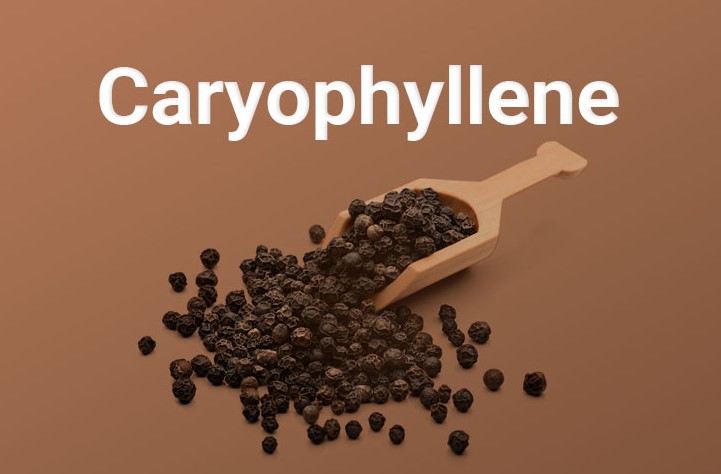
Another common source of β-caryophyllene is black pepper. This spice, used widely in cooking, has a peppery, pungent flavor and aroma, which is largely due to the presence of this terpene. Black pepper is not only known for its culinary uses but also for its potential health benefits, including its ability to support digestion and provide anti-inflammatory effects.
Cloves
Cloves are another excellent natural source of β-caryophyllene. This spice is often used in cooking and in traditional medicine for its powerful antimicrobial, antioxidant, and anti-inflammatory properties. The strong aroma of cloves is due to the presence of β-caryophyllene, which gives it a warm, spicy fragrance.
Other Herbs and Spices
Several other herbs and spices also contain significant amounts of β-caryophyllene. These include:
- Rosemary: A fragrant herb often used in cooking and for its potential health benefits. Rosemary contains a variety of terpenes, including β-caryophyllene.
- Oregano: Known for its strong, aromatic flavor, oregano contains β-caryophyllene, adding to its many therapeutic qualities.
- Basil: While not as well-known for containing β-caryophyllene, basil is another herb that contains small amounts of this terpene, contributing to its aromatic profile.
Other Plants and Fruits
In addition to the herbs and spices mentioned above, β-caryophyllene can also be found in other plants and fruits. For example, it has been detected in the bark of some trees, the rind of citrus fruits, and in certain types of hops used in brewing beer. While the concentrations of β-caryophyllene in these plants may be lower than in cannabis or black pepper, they still contribute to the natural availability of this beneficial terpene in various ecosystems.
The Benefits of Beta-Caryophyllene
Beta-caryophyllene is considered a valuable compound for its wide range of potential health benefits.
Some of the most promising benefits include:
Pain Relief
Studies have shown that β-caryophyllene may help with pain management, particularly for those suffering from chronic pain. By interacting with CB2 receptors in the body, it may help reduce inflammation and alleviate discomfort associated with various conditions such as arthritis or fibromyalgia.
Anti-Inflammatory Properties
Beta-caryophyllene is known for its strong anti-inflammatory effects, which can be particularly useful for individuals dealing with conditions like rheumatoid arthritis, Crohn’s disease, or inflammatory bowel disease (IBD). The compound works by modulating the body’s immune response, helping to reduce swelling and inflammation.
Neuroprotective Effects
Recent research suggests that β-caryophyllene may have neuroprotective properties, meaning it could help protect the brain and nervous system from damage caused by neurodegenerative diseases like Alzheimer’s and Parkinson’s disease. These effects may also extend to protecting against anxiety and depression.
Skin Health
Due to its anti-inflammatory and antioxidant properties, β-caryophyllene may also benefit skin health by helping to reduce acne, psoriasis, and other skin conditions. Topical applications containing this terpene are gaining popularity for promoting healthy, clear skin.
FAQs About Beta-Caryophyllene
What is the primary source of beta-caryophyllene?
Beta-caryophyllene occurs naturally in a variety of plants, including cannabis, black pepper, cloves, rosemary, oregano, and basil. Cannabis strains rich in β-caryophyllene are particularly sought after for their therapeutic benefits.
How does beta-caryophyllene affect the body?
Beta-caryophyllene interacts with CB2 receptors in the body’s endocannabinoid system, which helps regulate pain, inflammation, and mood. This interaction is thought to contribute to its anti-inflammatory, pain-relieving, and potential mood-enhancing effects.
Are there any cannabis strains high in beta-caryophyllene?
Yes, many cannabis strains contain high amounts of β-caryophyllene. Some popular strains known for their elevated levels of this terpene include Girl Scout Cookies, OG Kush, and Cannatonic. These strains are commonly used for their anti-inflammatory and pain-relieving properties.
Can beta-caryophyllene be used for pain relief?
Beta-caryophyllene has shown promise in pain relief due to its anti-inflammatory properties. By binding to CB2 receptors in the endocannabinoid system, it may help reduce chronic pain, inflammation, and discomfort from conditions such as arthritis.
Is beta-caryophyllene safe for everyone?
Beta-caryophyllene is generally considered safe when used in moderate amounts, especially as part of natural sources like black pepper and cannabis. However, if you have any concerns about using products containing BCP, especially in medicinal amounts, it’s best to consult with a healthcare professional.
Can I find beta-caryophyllene in food?
Yes, β-caryophyllene is found in common foods such as black pepper, cloves, rosemary, and oregano. These foods contain smaller amounts of terpene but can still contribute to its overall benefits when consumed regularly.
In conclusion, beta-caryophyllene is a powerful and naturally occurring terpene found in a range of plants, with cannabis strains being one of the most notable sources. Whether you’re seeking its potential therapeutic benefits or simply curious about its presence in everyday herbs and spices, β-caryophyllene offers a variety of valuable properties for health and wellness.