Finding out your dog needs surgery is rarely a moment anyone is prepared for. Whether it comes at the end of a routine wellness visit or in the middle of an emergency, the news lands heavily, and it usually brings a rush of questions that feel impossible to answer all at once.
Table of Contents
What does the procedure involve? How safe is it? What does recovery look like? How do you find the right clinic?
Understanding the full journey from diagnosis through to recovery helps replace that initial anxiety with something more productive: informed, confident participation in your dog’s care. And for dog owners in Encino and the surrounding San Fernando Valley, knowing what to expect from dog surgery in Encino makes every step of that journey significantly less stressful.
Here is what that journey actually looks like from start to finish.
Step One: The Diagnosis
Surgery is never the starting point. It is always the conclusion of a diagnostic process that confirms it is the right course of action.
When a dog presents with symptoms that might require surgical intervention- persistent vomiting, abdominal pain, a visible mass, a suspected foreign body, trauma, or a significant orthopedic issue- the diagnostic process begins with a thorough physical examination. The vet assesses the dog’s overall condition, identifies the specific concern, and determines what further investigation is needed.
In-house diagnostics play a critical role at this stage. Blood panels check organ function and overall health status. Digital X-rays provide a clear picture of internal structures, bone integrity, and the position of any suspected foreign bodies. Ultrasound gives the veterinary team a detailed view of soft tissue and organ condition that X-rays cannot provide alone.
These diagnostic findings, combined with the physical examination and the dog’s full medical history, are what lead to a surgical recommendation. A good veterinary team never recommends surgery lightly. The recommendation comes when the diagnostic evidence clearly supports it as the best path forward for the individual dog.
Step Two: The Pre-Surgical Assessment
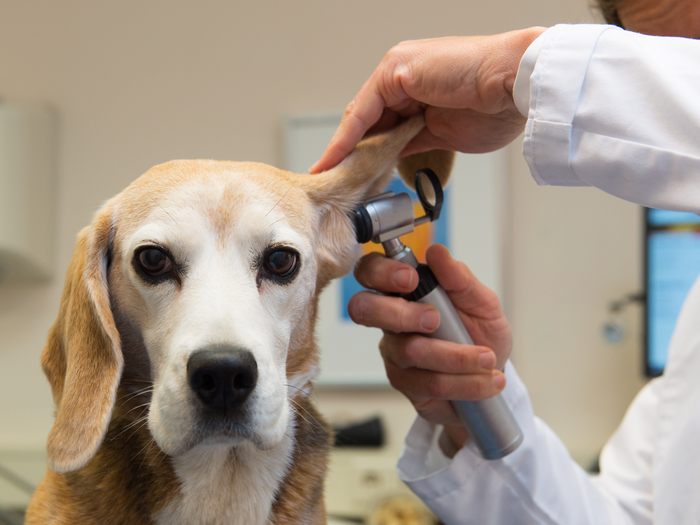
Once surgery has been recommended, the pre-surgical assessment is the next critical step. This process exists specifically to maximize safety and minimize risk, and it shapes every decision made on the day of the procedure.
A standard pre-surgical assessment for dogs includes:
- Complete blood work covering organ function, blood cell counts, and clotting ability
- A thorough physical examination on or close to the day of surgery
- Cardiac evaluation where indicated, particularly for older dogs or breeds with known cardiac risks
- A review of all current medications and any known allergies or sensitivities
- An individualized anesthetic protocol developed specifically for that dog
That last point is worth emphasizing. No two dogs receive identical anesthetic protocols. A healthy three year old Border Collie gets a very different protocol from a ten year old Golden Retriever with early kidney disease. The protocol is built around the individual animal, their weight, age, health status, and the specific procedure being performed.
If the pre-surgical assessment reveals risk factors that change the picture, a good veterinary team discusses this honestly before proceeding. The goal is always the safest possible outcome for the individual dog.
Step Three: The Day of Surgery
Most surgical patients are asked to fast from food the night before the procedure. Water is typically allowed until a few hours before. Your vet will provide specific instructions based on the type of surgery and your dog’s individual situation.
On the day of surgery, your dog is checked in, and their pre-surgical status is confirmed. Pre-anesthetic medications are administered to help them relax before anesthesia is induced. Once under anesthesia, your dog is positioned and prepared for the surgical procedure.
Throughout the entire procedure, a dedicated team member monitors vital signs continuously. Heart rate, blood pressure, oxygen saturation, respiratory rate, and body temperature are all tracked in real time. Anesthetic monitoring is never passive; a trained person is actively watching your dog every minute they are under general anesthesia.
The procedure itself varies in length depending on its nature and complexity. Routine soft tissue surgeries may take 45 minutes to an hour. More complex procedures involving internal structures may take significantly longer. Your veterinary team will always give you an estimated timeframe before the day of surgery.

Step Four: Immediate Post-Surgical Recovery
The period immediately following surgery is when your dog transitions from anesthesia back to consciousness. This happens in a dedicated recovery area where they are monitored closely until they are fully awake, stable, and comfortable.
Pain management is proactive, not reactive. Modern veterinary surgery addresses pain before, during, and after the procedure rather than waiting for signs of discomfort to appear. Most dogs are significantly more comfortable post-surgery than owners expect, precisely because pain management is built into the protocol from the start.
Most dogs go home the same day as their surgery unless the procedure or their recovery status requires overnight monitoring. Before discharge, the veterinary team walks owners through everything: what was done, what was found, specific signs to watch for at home, activity restrictions, medication schedules, and the follow-up plan.
Step Five: Home Recovery
Home recovery is where the owner’s role becomes most important. The decisions made during this phase directly affect how well and how quickly your dog heals.
The first 24 to 48 hours are typically the groggiest. Your dog may seem disoriented, unsteady, or unusually quiet as the effects of anesthesia fully clear. This is normal and resolves on its own. A quiet, comfortable space away from other pets and household activity gives your dog the best environment for early recovery.
Key things to monitor at home:
- The surgical site: check daily for redness, swelling, unusual discharge, or any sign the incision is not healing as expected
- Appetite: mild reduction for the first day or two is normal. Persistent refusal to eat warrants a call to the vet
- Activity level: follow your vet’s specific guidance on restricted activity. Most dogs need significantly reduced activity for at least one to two weeks depending on the procedure
- The e-collar: if your dog went home with a protective collar, it needs to stay on until the vet confirms the incision is fully healed. Dogs are remarkably determined about interfering with surgical sites given any opportunity
- Signs of pain or distress: hiding, reluctance to be touched near the surgical site, vocalizing, or changes in behavior all warrant contact with the veterinary team
Follow-up appointments should never be skipped. They exist to confirm healing is progressing as expected, remove sutures if needed, and address any concerns before they become complications.
Your dog deserves surgical care from a team that knows them personally and treats them like family. Visit Encino Pet Hospital and Emergency and let our experienced veterinary team guide your dog from diagnosis all the way through to a full recovery. Get directions here and bring your pup in today!
What Types of Surgery Are Most Common for Dogs in Encino?
Dog owners in Encino encounter a range of surgical needs across their pet’s lifetime. The most commonly performed include:
- Spay and neuter procedures: the most routine dog surgeries, typically performed in the first year of life but available at any age.
- Soft tissue surgery: covering a broad range of procedures addressing internal organs, masses, wounds, and conditions affecting the digestive, urinary, or reproductive systems.
- Foreign body removal: dogs in urban environments like Encino are no strangers to swallowing things they should not. Foreign body surgery ranges from endoscopic retrieval to full intestinal surgery depending on what was swallowed and where it is.
- Wound repair: trauma from dog attacks, accidents, and injuries requiring surgical closure and management.
- Dental surgery: extractions requiring surgical access are among the most frequently performed procedures in general veterinary practice.
Frequently Asked Questions
How do I know if my dog actually needs surgery?
Your vet will explain the diagnostic findings that led to the recommendation and why surgery is the most appropriate course of action. A good veterinary team always explains the reasoning clearly and discusses alternatives where they exist.
How long does dog surgery recovery take?
It depends entirely on the procedure. Routine surgeries typically involve one to two weeks of restricted activity. More complex procedures may require longer recovery periods with specific protocols. Your vet will give you a detailed timeline before discharge.
Is dog surgery in Encino expensive?
Costs vary significantly based on the type and complexity of the procedure. Your veterinary team will always provide a clear cost estimate before proceeding with any surgical intervention. Pet insurance can offset costs significantly for unexpected surgical needs.
What should I do if I notice something wrong with the surgical site at home?
Contact your veterinary team immediately. Do not wait for a scheduled follow-up if something looks wrong. Most clinics have a phone line for exactly these situations and would always rather hear from you sooner than later.
Can my dog eat normally after surgery?
Most dogs can return to their normal diet within a day or two of surgery. Specific dietary instructions will be provided at discharge based on the nature of the procedure and your dog’s individual recovery needs.