
Diesel Exhaust Fluid (DEF), commonly referred to as DEF fuel, has become an essential component in the operation of modern diesel engines. As environmental standards become stricter and automotive technology advances, understanding DEF is increasingly important for vehicle owners, especially those operating heavy-duty trucks, buses, and other diesel-powered machinery.
Table of Contents
- What is DEF Fuel?
- Why Diesel Exhaust Fluid is Important for Your Vehicle
- How Diesel Exhaust Fluid Works in Your Vehicle
- Types of Diesel Exhaust Fluid: Standard and Premium Options
- Choosing the Right DEF Company
- Storing and Handling DEF Fuel
- Common Myths About Diesel Exhaust Fluid
- The Environmental Impact of DEF
- Tips for Vehicle Owners
This comprehensive guide covers everything you need to know about DEF, including how it works, why it’s necessary, how to handle and store it, and what to consider when purchasing it.
What is DEF Fuel?
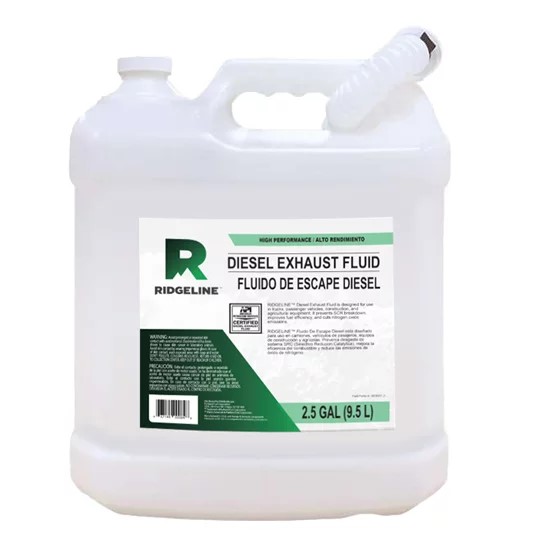
DEF Fuel is a non-toxic, colorless, and odorless solution composed of 32.5% high-purity urea and 67.5% deionized water. While it’s not a fuel or fuel additive, DEF Fuel plays a critical role in the SCR system used in modern diesel engines. It is injected into the exhaust stream to trigger a chemical reaction that breaks down harmful nitrogen oxides (NOx) into harmless nitrogen and water vapor. This process significantly reduces emissions, helping diesel vehicles meet stringent environmental standards.
Why Diesel Exhaust Fluid is Important for Your Vehicle
The use of DEF fuel helps diesel engines meet stringent emissions standards set by environmental regulatory bodies across the world. Without DEF, diesel engines would release higher levels of NOx, which contributes to air pollution and health hazards.
Here’s why using DEF is vital:
- Compliance with Emission Regulations: Vehicles that use DEF are designed to meet EPA emission requirements.
- Improved Fuel Efficiency: Contrary to popular belief, DEF doesn’t reduce fuel efficiency. In fact, SCR systems can enhance engine performance and fuel economy.
- Engine Longevity: Proper use of DEF ensures the SCR system operates optimally, which can extend engine life and reduce maintenance costs.
How Diesel Exhaust Fluid Works in Your Vehicle
DEF is stored in a separate tank in your vehicle and is injected into the exhaust system—not the fuel system. As exhaust gases exit the engine, DEF enters the SCR system, where it reacts with the NOx gases. The chemical reaction converts these gases into nitrogen and water vapor, which are then expelled through the vehicle’s tailpipe.
Modern diesel vehicles are equipped with sensors to monitor DEF levels and alert the driver when the fluid is low. If ignored, some systems will automatically limit engine performance to reduce emissions until the DEF tank is refilled.
Types of Diesel Exhaust Fluid: Standard and Premium Options
There are various types of DEF available in the market. Among the most commonly used are:
Blue DEF
Blue DEF is a widely recognized type of diesel exhaust fluid known for its high purity and strict adherence to ISO 22241 standards. It is manufactured using a precise combination of high-grade urea and deionized water, ensuring optimal performance in Selective Catalytic Reduction (SCR) systems. This type of DEF is compatible with a wide range of diesel engines, making it a popular choice for both commercial fleets and individual users. Its consistent quality and reliability help ensure reduced emissions and smooth engine operation.
DEF Premium
DEF Premium is a superior variant of diesel exhaust fluid that often undergoes additional filtration or advanced purification processes. These extra steps help eliminate even the smallest impurities, which can be crucial for sensitive SCR systems in newer or high-performance diesel engines. Using DEF Premium can enhance system longevity, reduce the risk of injector clogging, and ensure better efficiency in emission control. It’s especially beneficial for vehicles operating in extreme weather conditions or demanding environments.
Choosing the Right DEF Company
When selecting a DEF provider, it’s important to choose a reputable DEF company that complies with industry standards. Look for suppliers who offer certified products with ISO 22241 specification. Using substandard or contaminated DEF can damage your vehicle’s SCR system, potentially leading to costly repairs.
The leading DEF suppliers in the market ensure their products go through rigorous quality checks. Proper packaging, sealed containers, and batch testing are indicators of a trustworthy provider.
Storing and Handling DEF Fuel
Proper storage of DEF fuel is crucial to maintain its effectiveness. Here are some best practices:
- Temperature Control: DEF should be stored between 12°F and 86°F (-11°C to 30°C). Extreme heat can degrade urea concentration, while freezing temperatures can cause the fluid to expand.
- Sealed Containers: Always store DEF in sealed containers to avoid contamination.
- Shelf Life: Typically, DEF has a shelf life of one year if stored correctly.
Avoid mixing DEF with other substances or transferring it using containers that may have been used for other fluids. Contaminants can lead to malfunction or damage to the SCR system.
Common Myths About Diesel Exhaust Fluid
There are many misconceptions about DEF in the automotive world. Let’s clear up some of the most common:
- “DEF is a fuel additive” – False. DEF does not go into the fuel tank and doesn’t mix with diesel fuel.
- “DEF lowers engine performance” – Incorrect. When used properly, DEF can actually support better engine performance.
- “All DEF is the same” – Not necessarily. While chemically similar, the quality control and purity can vary depending on the DEF company.
Understanding these truths will help vehicle owners avoid poor decisions and keep their engines running efficiently.
The Environmental Impact of DEF
Using DEF significantly reduces harmful emissions from diesel engines. By converting NOx into nitrogen and water, DEF supports cleaner air and helps reduce the carbon footprint of transportation. It plays a vital role in supporting global sustainability goals and is increasingly being mandated in commercial transport sectors.
Vehicles equipped with SCR systems that use DEF meet even the most stringent Tier 4 Final and Euro 6 emissions standards, showing the global importance of DEF adoption.
Tips for Vehicle Owners
If you’re new to DEF, here are some helpful tips to ensure smooth operation:
- Check Levels Regularly: Don’t wait for warning lights—keep an eye on DEF levels.
- Buy From Trusted Sources: Only purchase DEF from certified and reputable sources to avoid contamination.
- Use Clean Equipment: Always use clean and dedicated equipment to transfer DEF to prevent introducing impurities.
- Avoid Overfilling: Just like diesel fuel, avoid overfilling the DEF tank to prevent spills.
Being proactive about DEF usage ensures your vehicle remains compliant, efficient, and reliable on the road.
FAQs About DEF Fuel
Can I drive without DEF in my diesel vehicle?
Modern diesel engines equipped with SCR systems require DEF to function properly. Driving without it may limit engine performance or even prevent the vehicle from starting.
How often should I refill my DEF tank?
This depends on your vehicle and usage, but generally, DEF consumption is around 2-3% of diesel fuel usage. Always monitor levels and refill when needed.
Is there a difference between regular and premium DEF?
Both serve the same function, but premium DEF may offer better filtration and consistency. The choice depends on climate, usage, and vehicle requirements.
How do I store DEF for long periods?
Store DEF in sealed containers, away from direct sunlight and extreme temperatures. Ideal storage conditions extend its shelf life and maintain purity.
Conclusion
As diesel engines become more sophisticated and environmentally conscious, understanding DEF fuel has never been more important. From its role in reducing emissions to maintaining engine performance and ensuring legal compliance, DEF is a key player in the modern diesel landscape. Choosing a reliable DEF company, using premium or certified DEF, and following proper handling practices will help your vehicle run cleaner and more efficiently.
Whether you’re a commercial fleet operator or an individual diesel vehicle owner, knowing how to properly use and manage DEF can lead to long-term benefits for your vehicle, your wallet, and the environment.